

Your kid can’t always tell you what’s wrong.
What if they could show you?
Color Mending is a non-verbal, coloring-based tool that helps parents and kids learn how to read their body's signals, so you can understand each other better, even when words aren't working.

You already know something is going on with your kid
You can see it. The shutting down, the meltdowns, the one-word answers.
You've tried asking. You've tried giving space. And most of the time, you're left guessing.
What makes it harder: you're navigating your own emotions at the same time. Trying to stay calm when they're escalating. Trying to model emotional regulation while still figuring out what that looks like for yourself.
You're not doing it wrong. Most emotional tools just ask everyone to do the hardest part first: put feelings into words.
Emotions don’t start with language
Emotions don't start in your head. They start in your body. That tight chest. The heavy stomach. The restlessness your kid can't explain but you can see.
These are body signals — and most of us were never taught to read them.
Color Mending teaches that skill. Not through talking or rehashing, but through coloring.
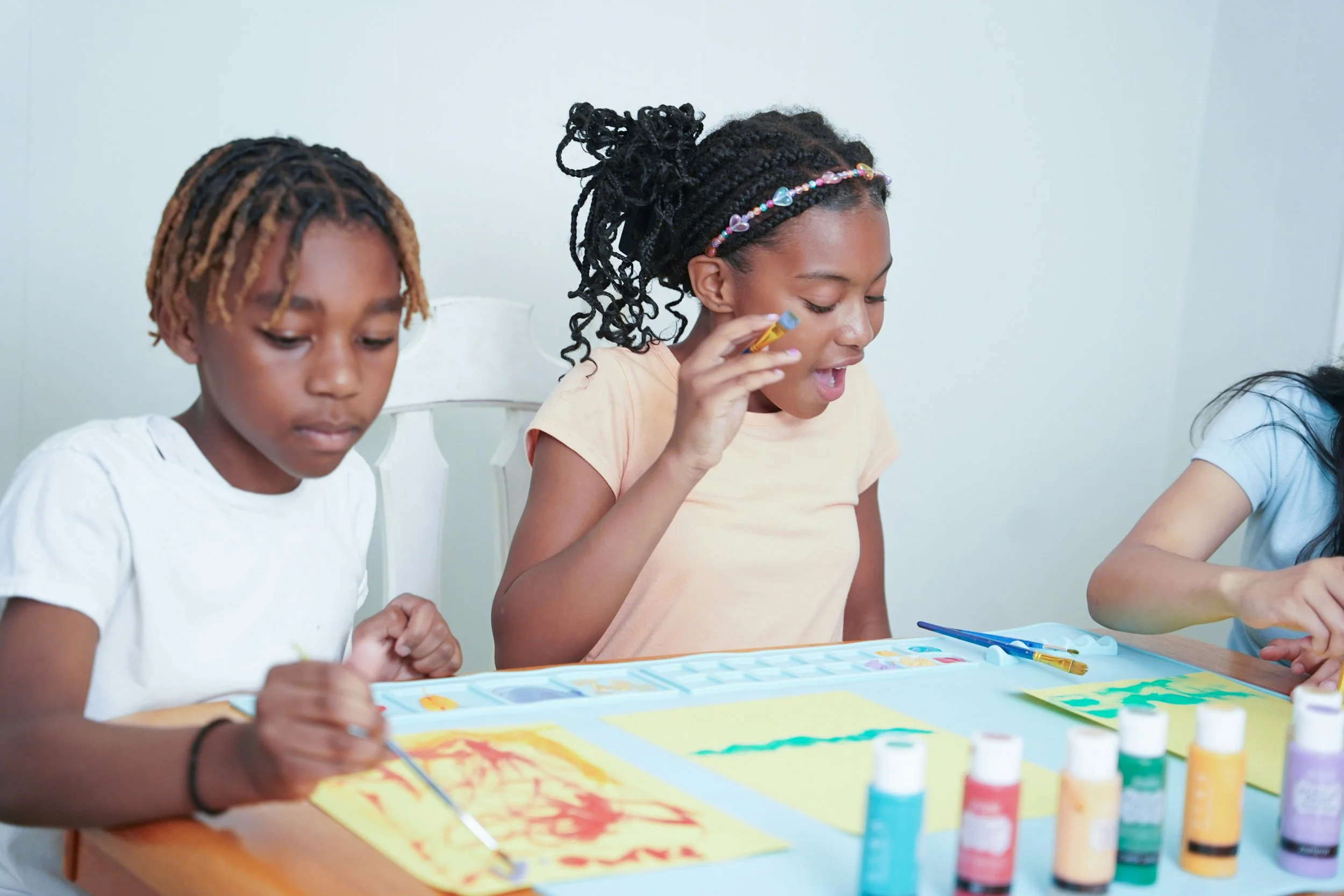
A tool that doesn’t require words

Color Mending is a neuroscience-based methodology that uses coloring to help you identify what you're feeling, understand why, and recognize what your body is trying to tell you.
It's rooted in interoception, the science of how you sense what's happening inside your body. Things like tension, pressure, and restlessness are signals your brain uses to construct emotions.
Color Mending teaches you to notice those signals and make them visible through coloring.
No art skills. No verbal processing. No right or wrong way to do it.
What Color Mending is not
It is not therapy, and it does not replace the professional support your family is already receiving. It's a supplemental tool. One more way to understand what's happening and communicate about it.
Before you use it with your kid, learn it for yourself.
Color Mending works best with kids when the parent learns it first.
When you learn to read your own body signals, two things happen.
You build the skill of noticing what's happening in your body before you react.
You understand the tool well enough to guide your child through it naturally.
Most importantly: when you color alongside your kid — not to fix them, but because it's something you both do — it becomes a shared experience, not an intervention.
That's why the starting point of learning how to use Color Mending with you kid(s) is The Coloring Bet. This 21-day program teaches you how to guide yourself through Color Mending sessions.

From kindergarteners to teenagers, the body speaks the same language

Color Mending works across ages because it doesn't depend on emotional vocabulary. A five-year-old who can't name what they're feeling can still pick up a crayon. A teenager who won't talk can still sit next to you and color.
At every age, you're building the same skill: noticing and communicating what's happening in your body. That skill grows with your child.
What it looks like in action
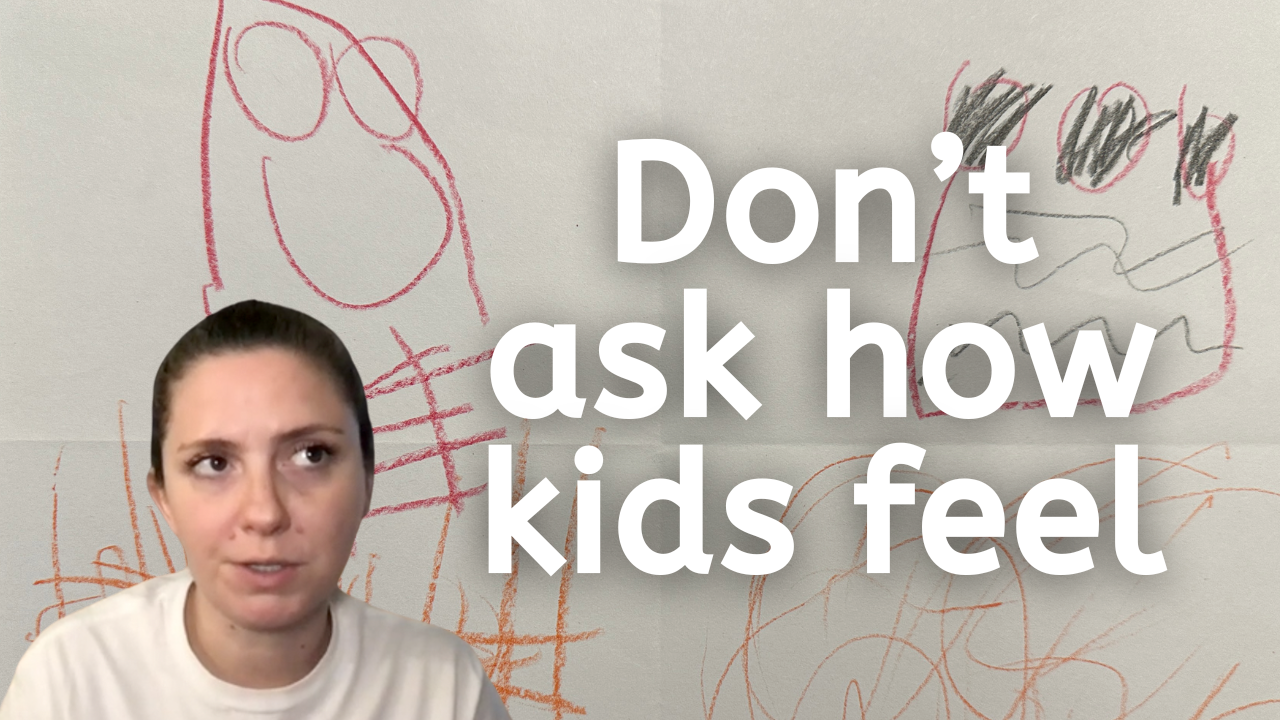

Watch Chelsea K-K color with her six-year-old nephew before his tonsillectomy, then walk his mom through what his coloring revealed about how he was feeling about his surgery.
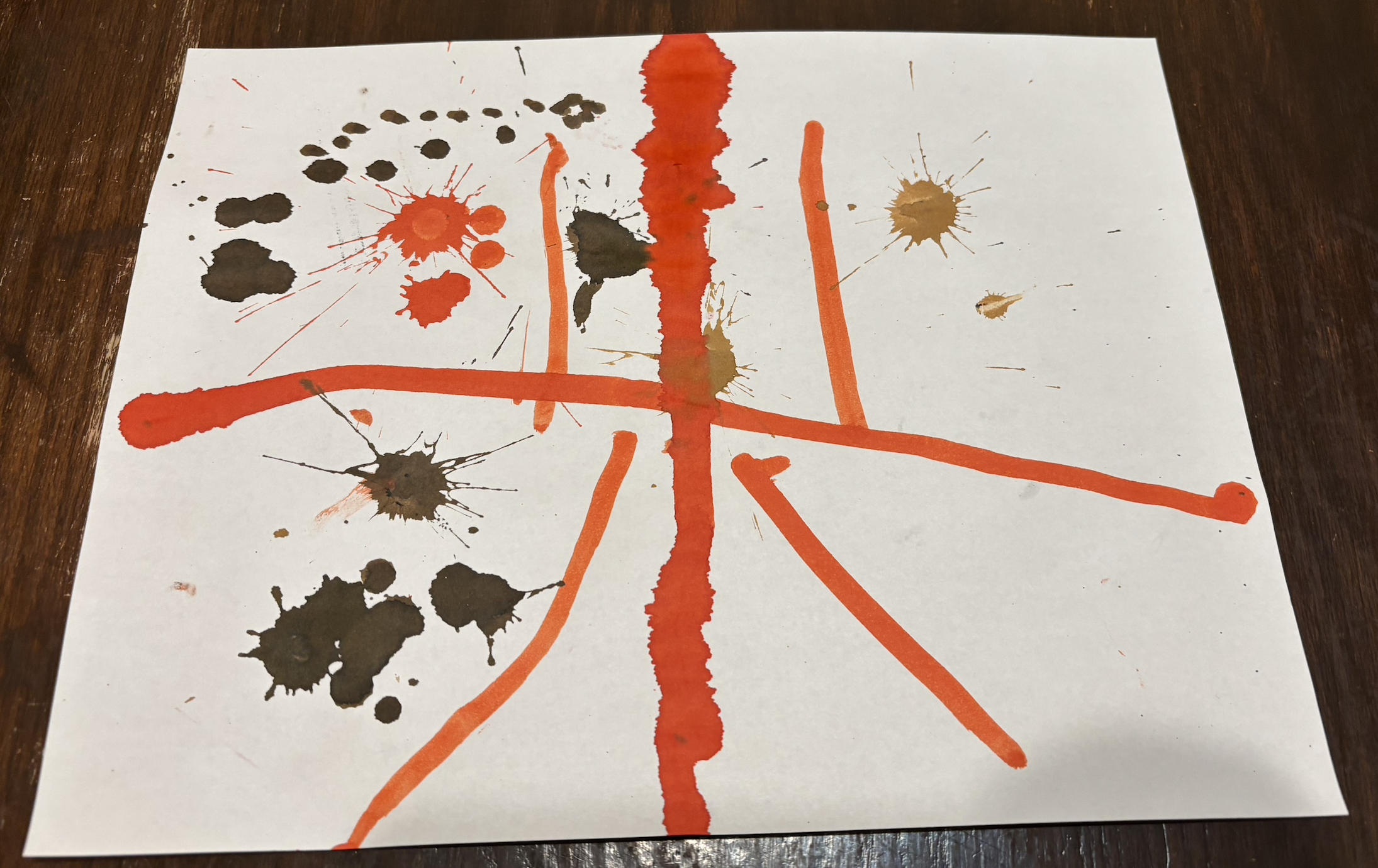

Amber’s son was acting out during two major family transitions: a job change and a new baby. But when she asked what was wrong, he always said, “I’m fine.”
Color Mending helped them open a conversation the family needed to have.
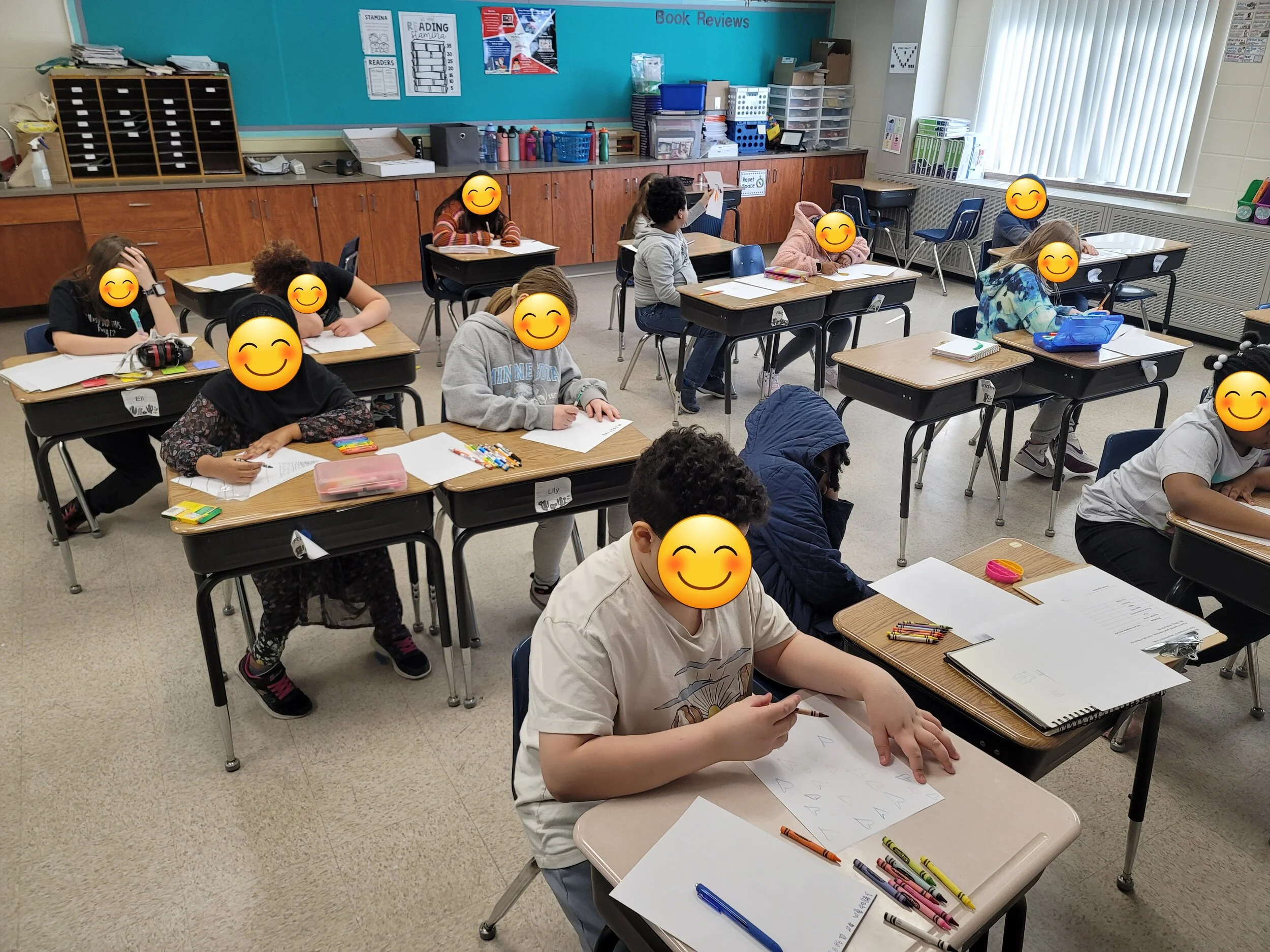

Ms. Moog introduced Color Mending as a transition activity they would do for 20 minutes every Friday.
Over three months, students who participated became better advocates for themselves throughout the school day.
Start building the skill yourself
Option A: Start building the skill yourself
The Coloring Bet is a 21-day program that teaches you to color and interpret your own Color Mending sessions. This is where every parent starts. Learn the method for yourself so you can guide your kid(s) through sessions.
Option B: Learn the science first

Not ready to dive in? Emotions Are Clues, Not Rules is a free guide that explains how your brain constructs emotions and how Color Mending works. The quickest way to understand the tool.
FAQs
-
Color Mending has been used with children ages 5 and up. Coloring is accessible at any age. What changes is the types of conversations you have with the child after each coloring session.
-
No. The Coloring Bet is for you (the adult). Once you've learned the method, you guide your child through sessions yourself.
-
No. Color Mending uses intuitive coloring, taking how you feel and coloring it out onto a piece of paper. It doesn’t rely on color theory or art principles. You color whatever feels right. No skill required.
-
Sit down and color for yourself. Invite them to join. No pressure. When kids see a parent genuinely engaging with something, curiosity usually follows.
You don't have to figure out your kid's emotions for them.
And you don't have to have yours figured out first.
Color Mending gives you a way to learn together. At the same table, with the same crayons.
Start with yourself. Then bring your kid(s) in.
Color Mending is an educational methodology and self-guided practice. It is not therapy, counseling, or a substitute for professional mental health care. If your child is in crisis or you have concerns about their mental health, please contact a licensed professional or dial 988.
Follow @colormending on social media to stay up-to-date on the latest techniques, tips, and offerings.